From Clay Pipes to the Pipemakers’ Arms: A Day at Bodiam and Rye
17th August 2026East Sussex
There are some days when being Master of our Company brings unexpected surprises. A day out to Bodiam Castle and Rye was one of these — a day that began with medieval history and archaeology and ended with a connection to our own Company.
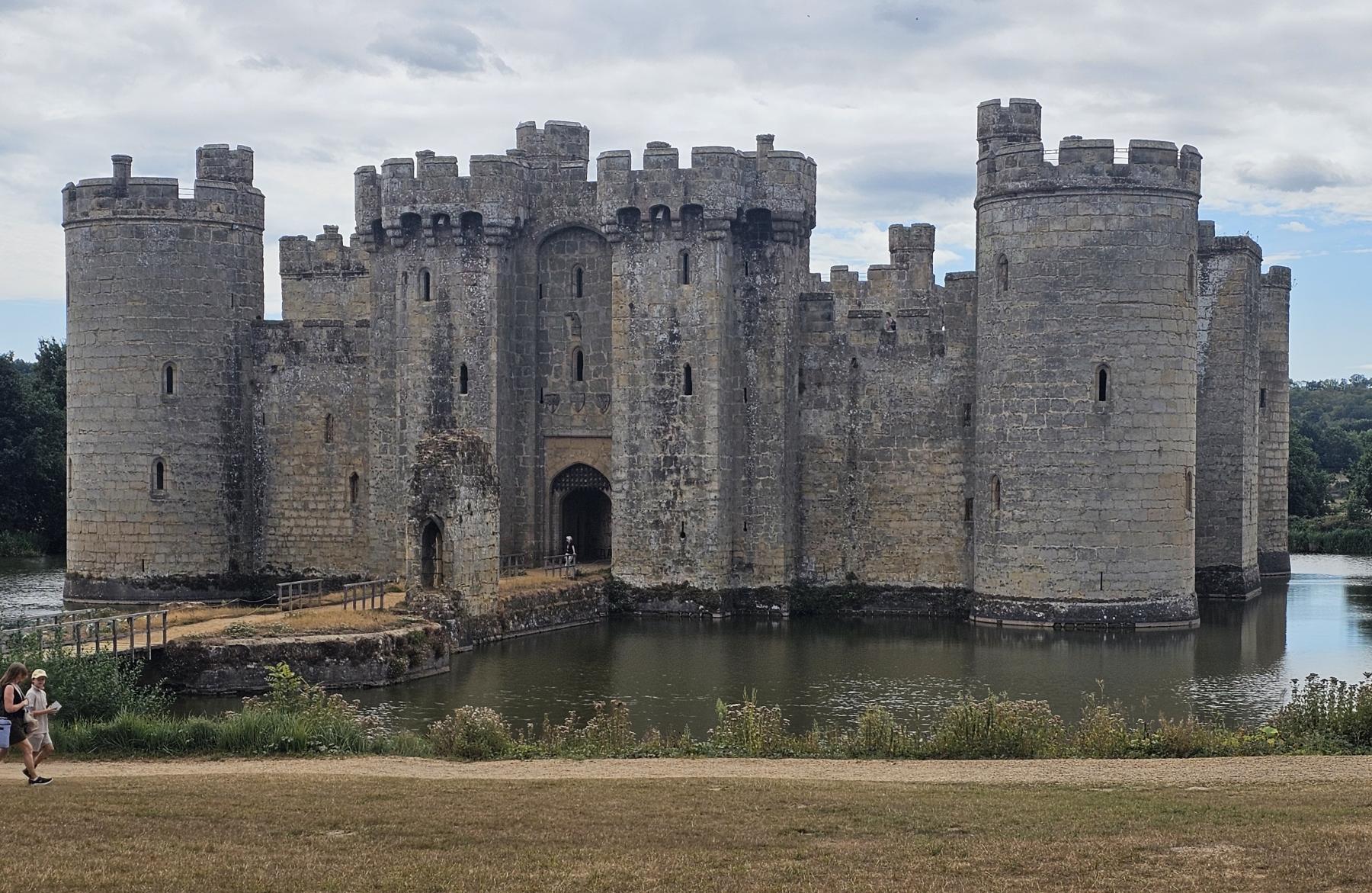
Our first stop was spectacular Bodiam Castle, where the National Trust’s archaeologists were at work. Inside the 14th-century moated castle ruins, in the soil and debris of their trench, they had uncovered fragments of clay tobacco pipes amongst the other rather anonymous bits and pieces of medieval building. Of course, these pieces of pipe belonged to a much later chapter in Bodiam’s history than the medieval building we see today: they date from the late 19th century, when the castle was being renovated.
There is something fascinating about finding the remains of pipe smoking in an archaeological excavation. A clay pipe was an everyday artisanal object, used and discarded without a second thought. Yet, more than a century later, a tiny fragment can tell us something about the people working there and the ordinary activities that formed part of their lives.
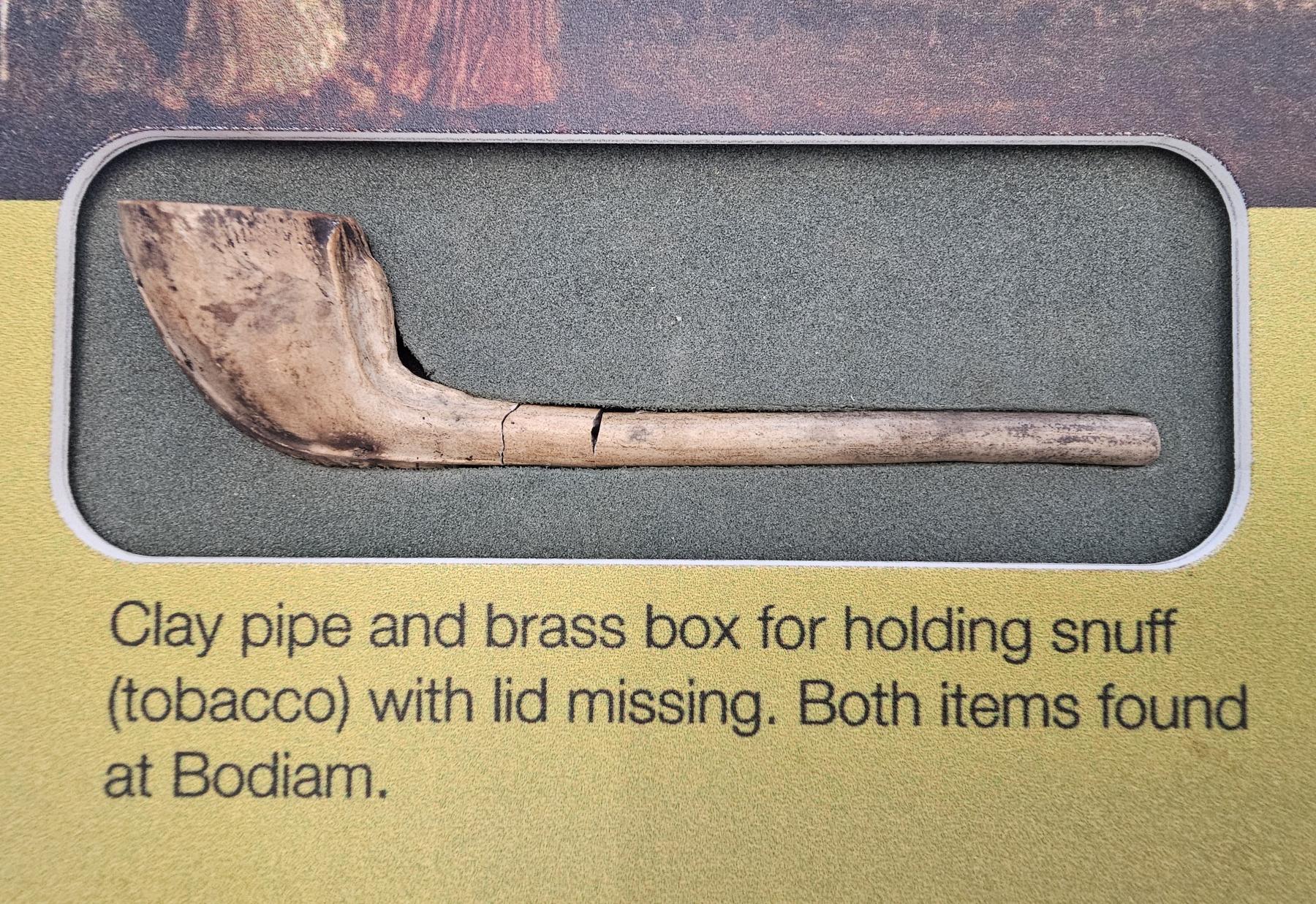
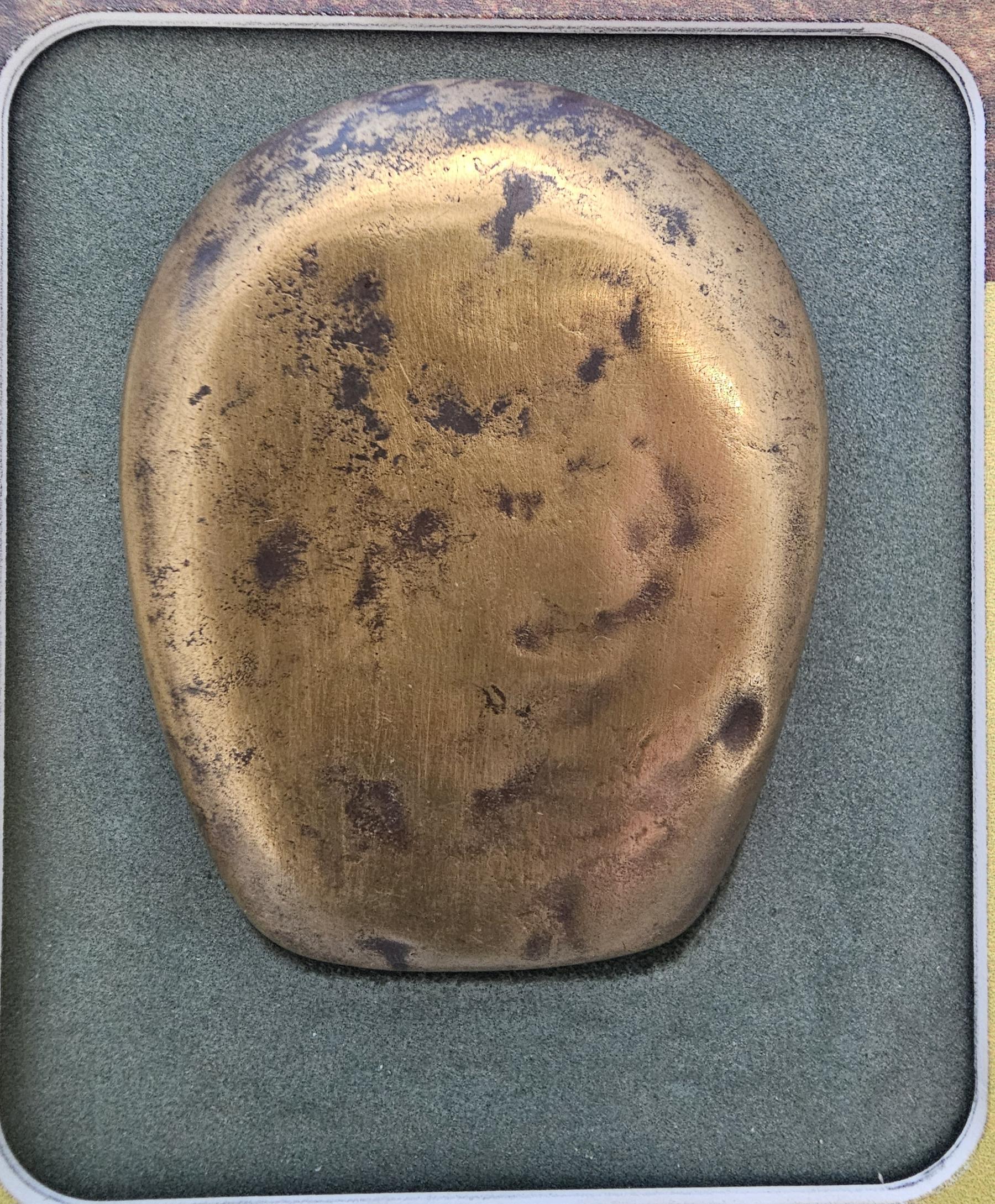
There was more to discover in the small display museum at Bodiam, where I spotted a complete clay pipe and a battered brass snuff box without its lid. The pipe wasn't labelled, and so I sent a photo to Dr David Higgins at the National Pipe Archive and asked him to tell me something about it. “It’s mid-C19th, but the end has been rounded off for reuse by the original owner where it’s been broken. This style was usually made with a long stem originally — around 12" to 15" in length.”
We are so lucky to have such amazing academic knowledge to hand!
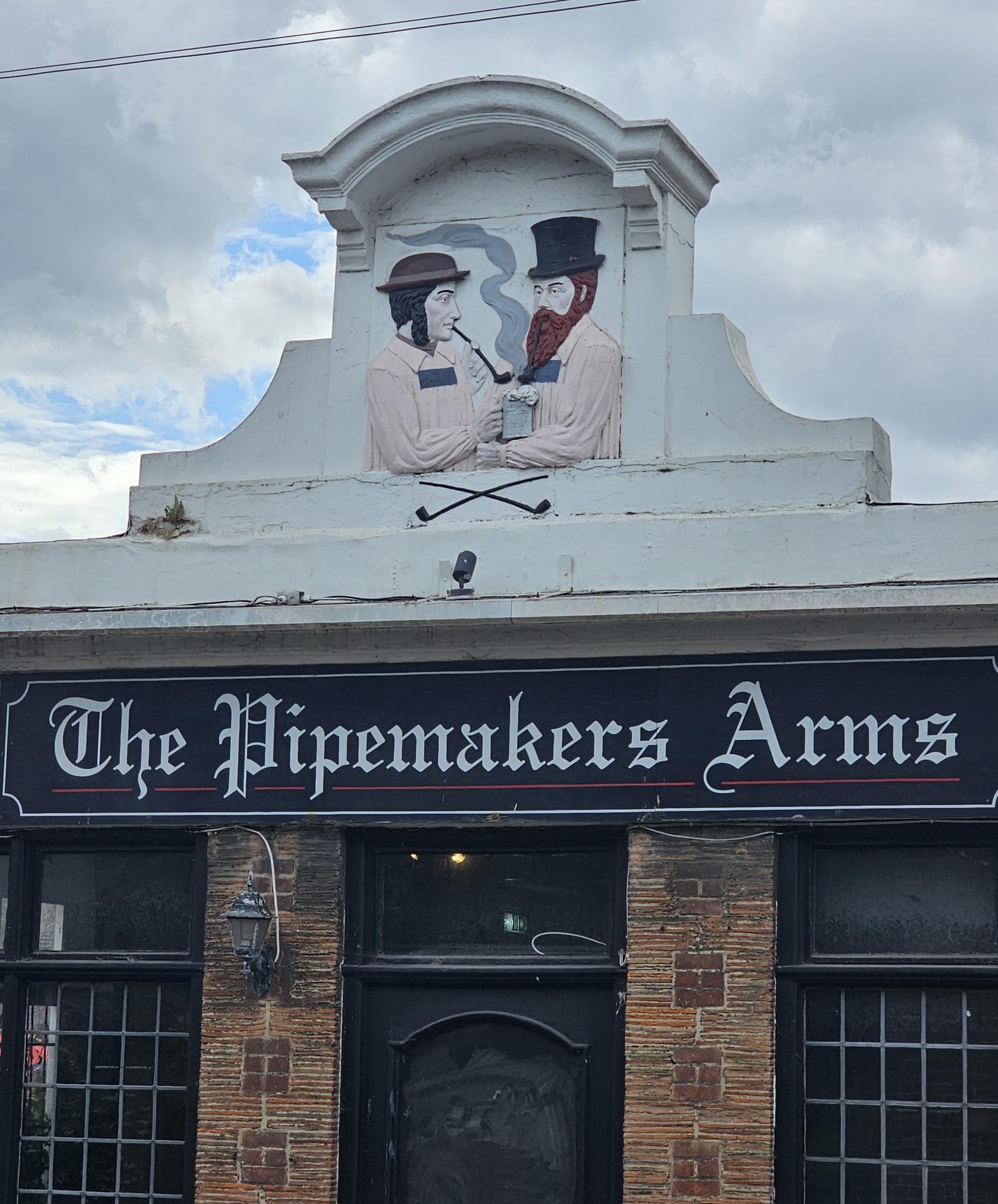
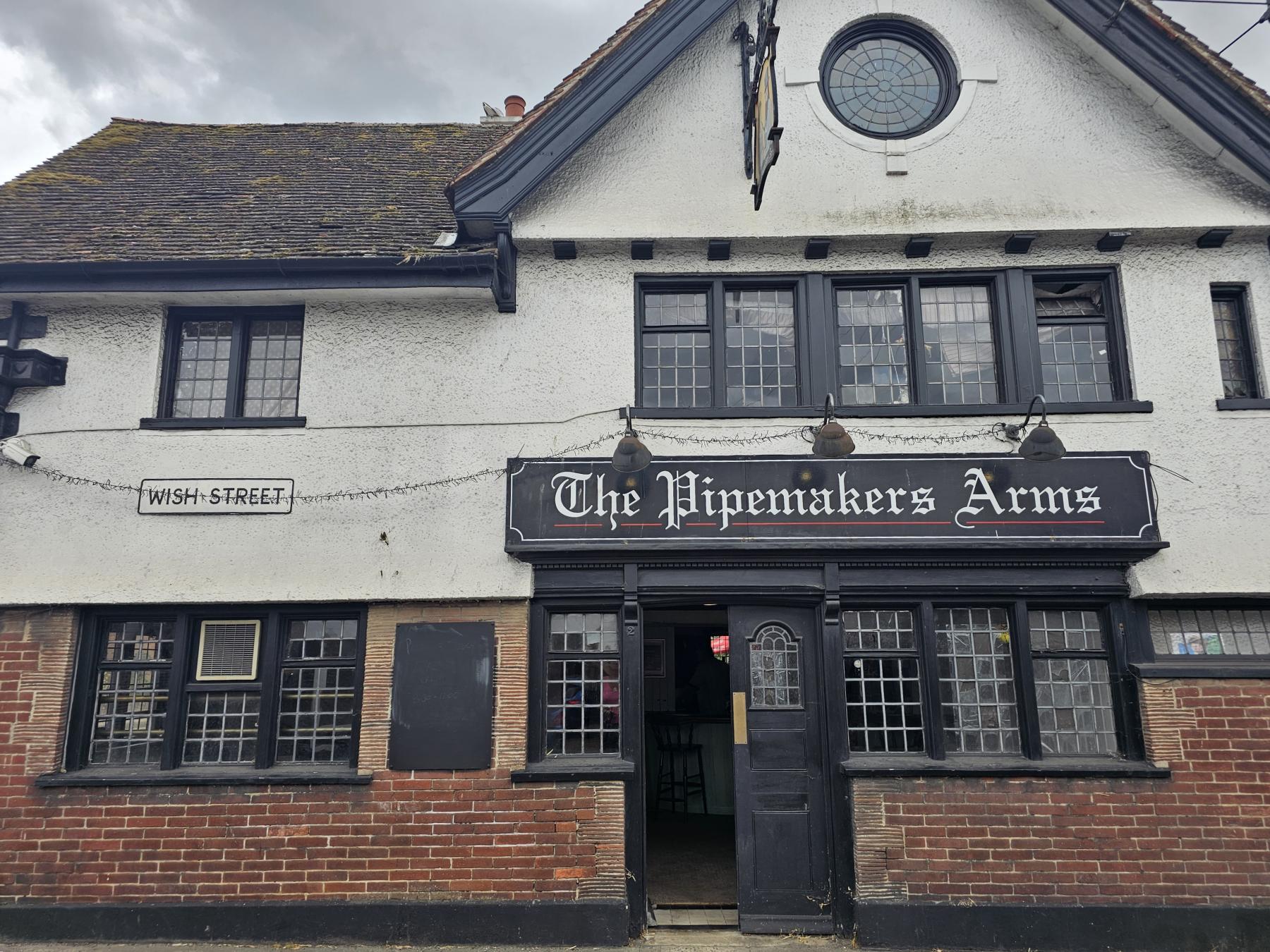
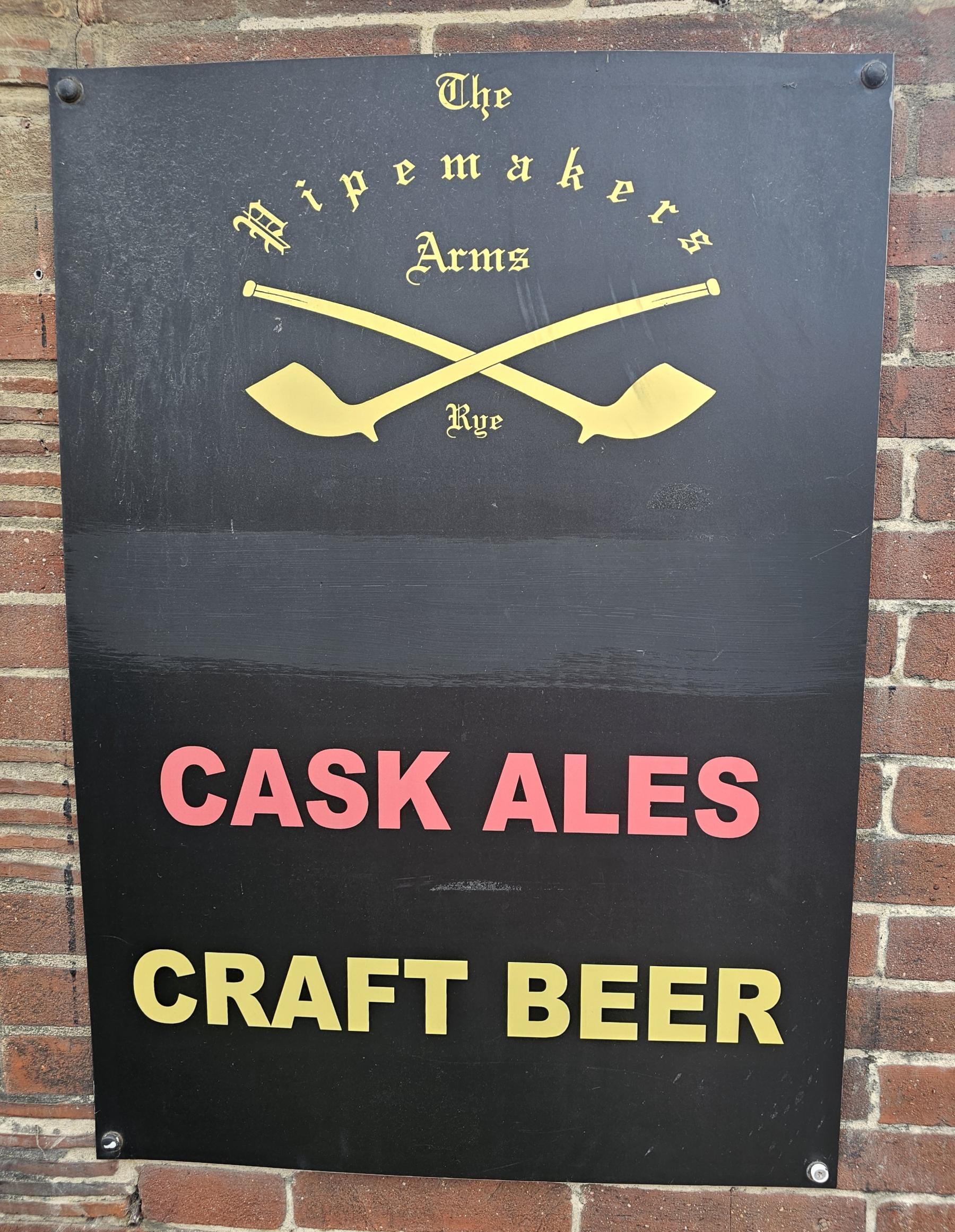
From Bodiam we continued to Rye, where I immediately spotted a pub named The Pipemaker’s Arms, standing in Wish Ward. Named after a former pipe factory that once stood across the road, it was another reminder of the craft that once formed part of the town’s working life.
I have since discovered that there are at least three other Pipemakers’ (or Pipemaker’s) Arms, although none is currently trading under that name — and I have a connection with each of them.
The first is in Uxbridge, not far from where I once had an office when I worked for Rothmans. The Pipemakers’ Arms in St John’s Road had a direct connection with the local pipe-making trade, and its history records the manufacture of clay pipes on the premises.
The second is in Leicester, where I was born. The pub, on St Saviour’s Road, took its name from Joseph Warburton, a pipe maker, whose widow Elizabeth became the licensee. The pub itself has long since disappeared, but its name and history survive in the records.
Finally, there’s the Pipemaker’s Arms in Broseley, where our Company raised the money to purchase the equipment and contents of the abandoned pipe-making factory in the town. The pub is closed at present, but there are hopes that it may re-open.
Our heritage isn’t confined to the Company’s own records or to museums. It’s scattered across the country in unexpected places: archaeological trenches, old workshops, surviving buildings and even the names of pubs.
What began as a simple day out turned into another small pilgrimage through the history of our craft.
It was a lovely reminder that, once you start looking for the heritage of pipes and pipe making, it has a habit of turning up in the most unexpected places.