-
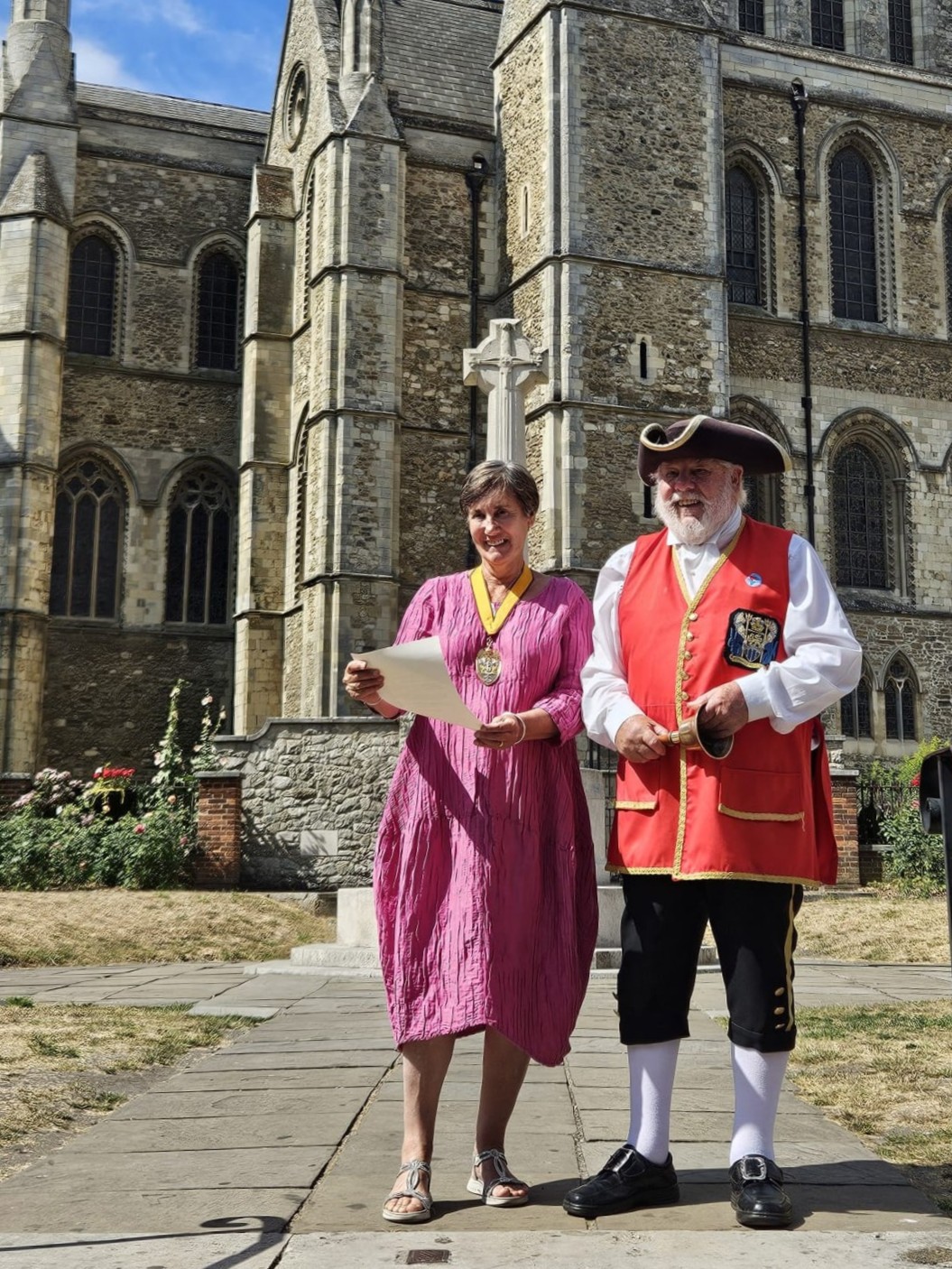 Master and Rochester's Town Crier
 -
 Carolyn asking to be admitted to the French Hospital
 -
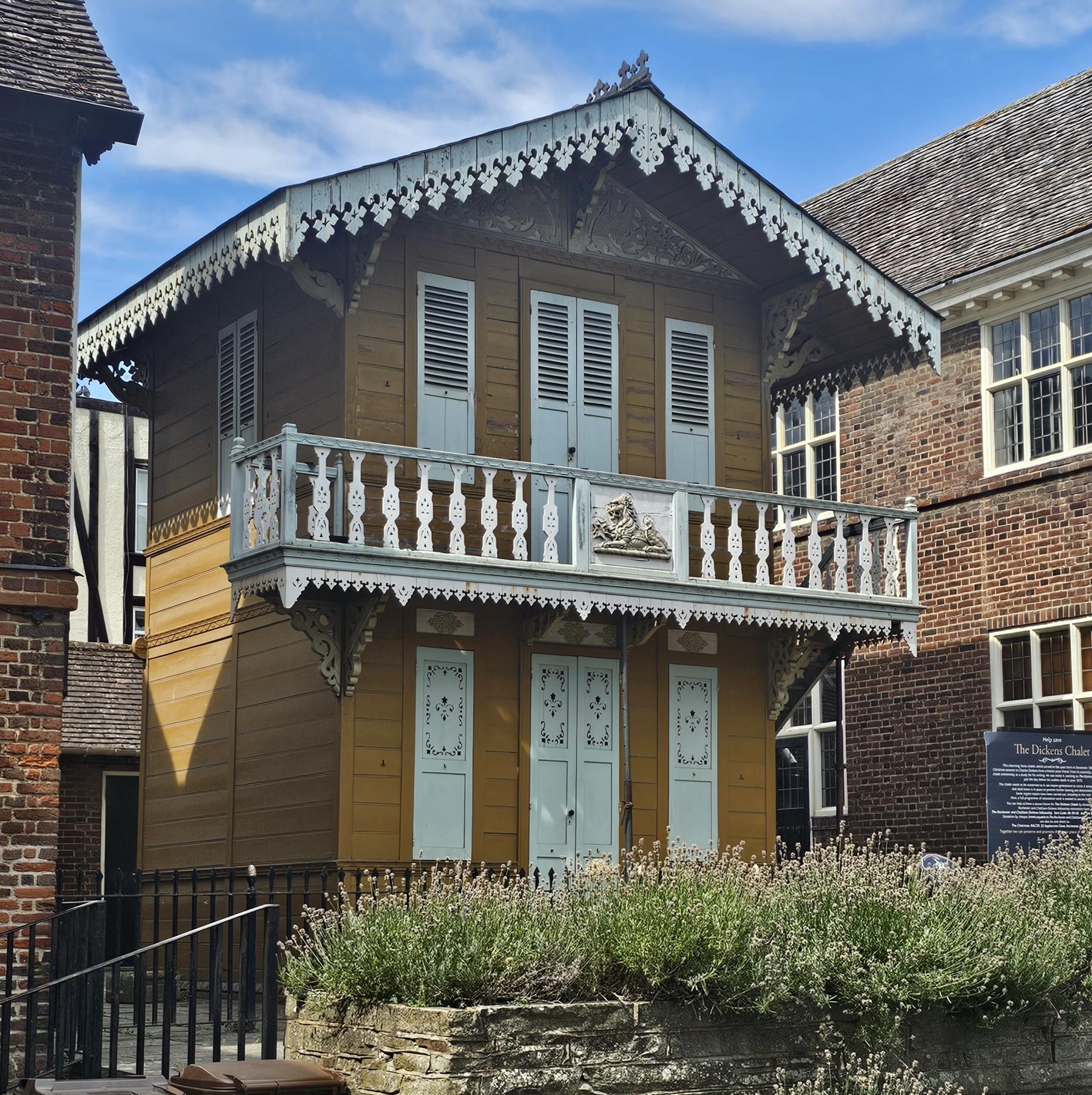 Dicken's writing chalet
 -
 Appeal for restoration funding
 -
 Restoration House
 -
 Quiet lanes behind the Cathedral
 -
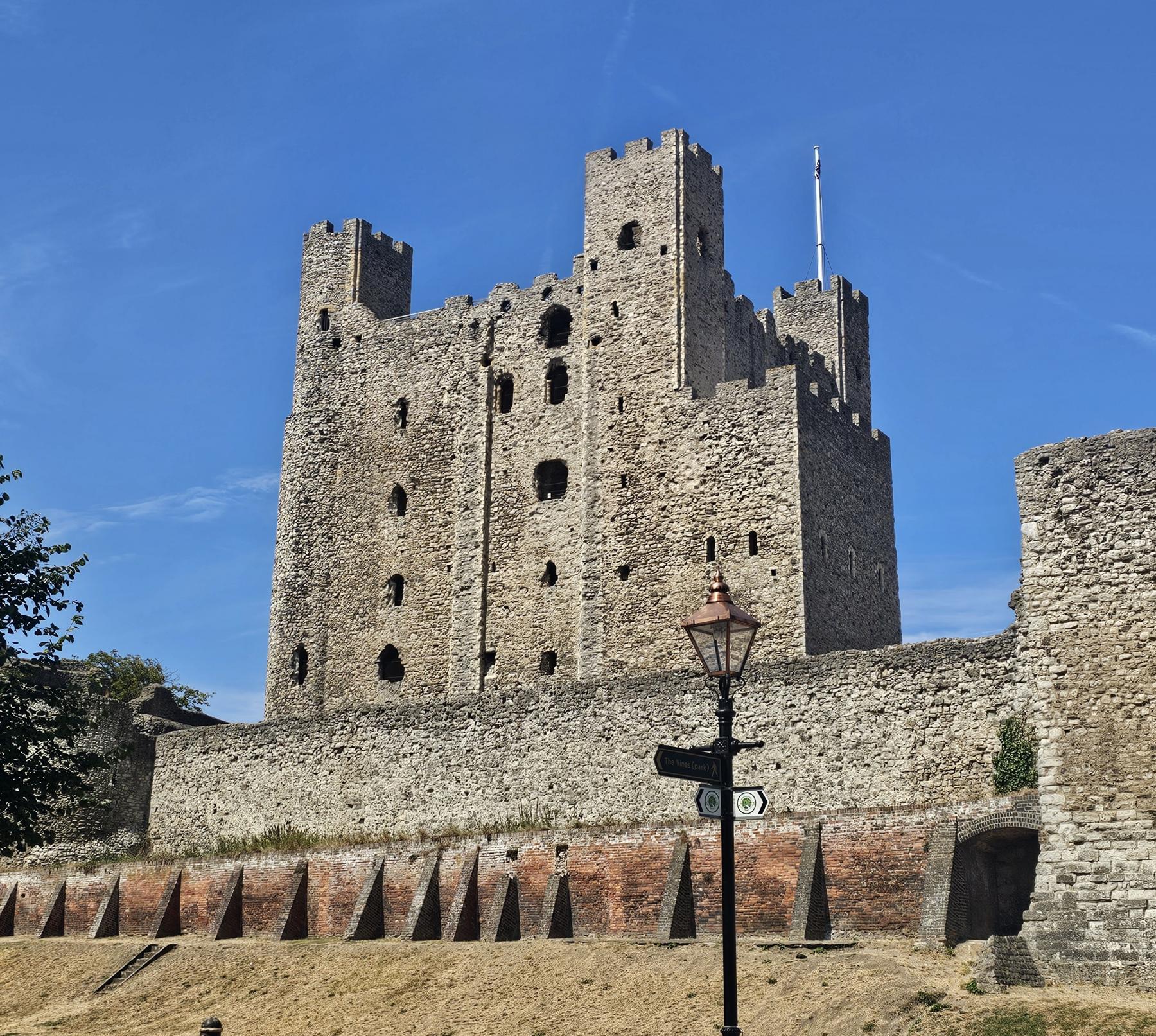 Rochester Castle
 -
 Engineers' memorial in the Cathedral
 -
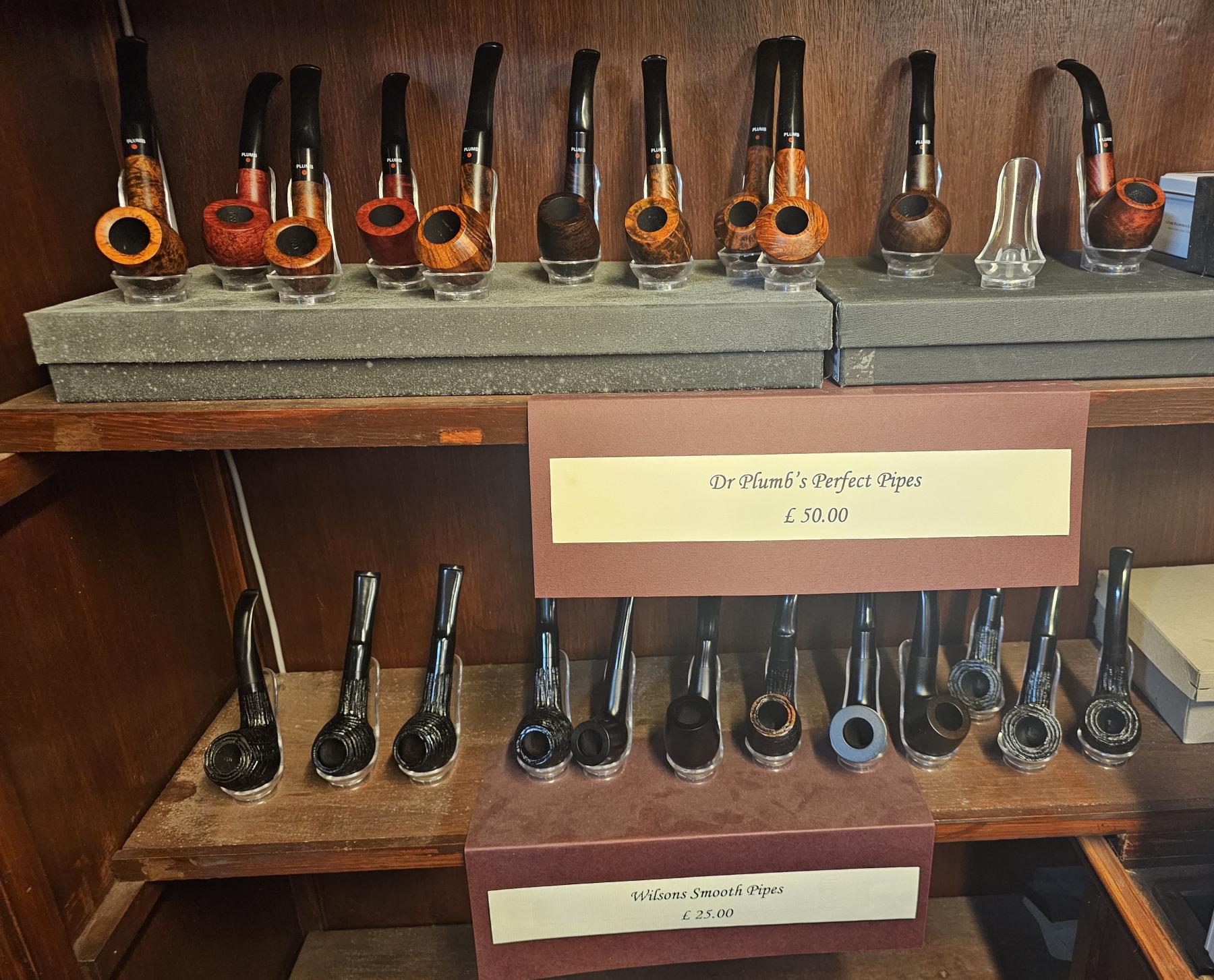 Briar pipes in the cigar shop
 -
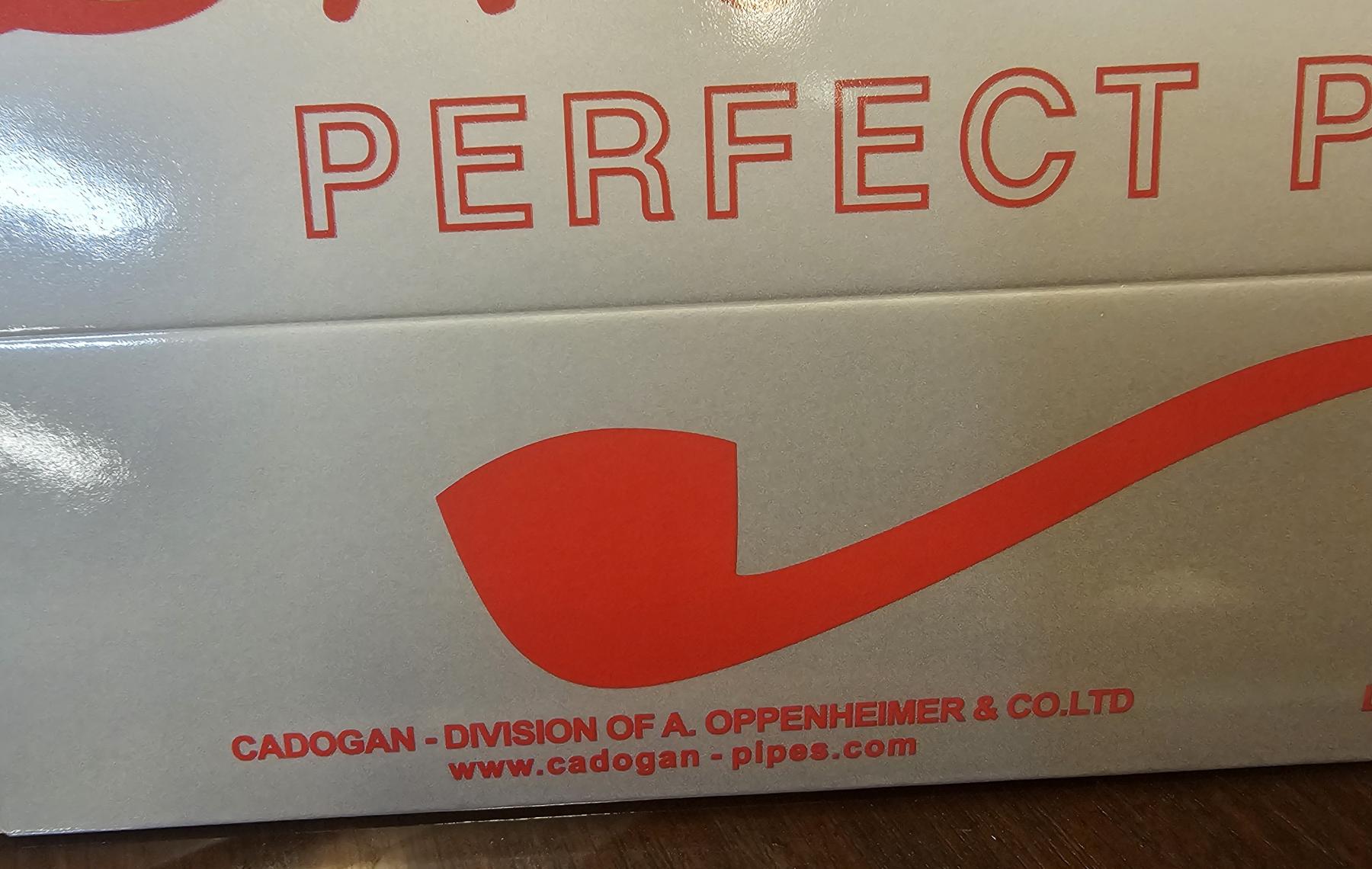 Perfect Pipes by Cadogan Pipes (A Oppenheimer)
 -
 Falcon Pipes, Hoddesdon
A Grand Day Out in Rochester
25th July 2026The Livery in Dickens-land
"The silent High Street of Rochester is full of gables with old beams and timbers carved into strange faces. It is oddly garnished with a queer old clock that projects over the pavement out of a grave, red-brick building, as if Time carried on business and hung out this sign." Charles Dickens, The Seven Poor Travellers (1854)
Just 35 minutes by train from London lies the ancient city of Rochester in Kent, and on Saturday 25 July some twenty members of the Company and guests enjoyed A Grand Day Out in Dickens-land, organised by Liveryman Rosie Beattie with the support of the Social Committee.
The sun was shining as we gathered in the famous High Street for coffee before receiving a memorable welcome from Rochester's Town Crier, Mike Billingham. Resplendent in his scarlet coat and tricorn hat, he had composed a special cry just for our party and quickly became an attraction in his own right for the many tourists filling the streets.
Following this colourful introduction, we divided into two groups for guided tours led by members of the City of Rochester Society. Our guide was Alan Moss, the Society's Chairman and author, who has lived within the city boundaries all his life and possesses an extraordinary knowledge of its history.
Our first stop was the 16th-century building founded by Richard Watts MP to provide free overnight accommodation for six poor travellers ("no vagabonds or proctors"). Dickens immortalised the house in The Seven Poor Travellers, where one guest arrives carrying "a pack of pipes and a bunch of tobacco, and a bag of thimbles and a box of dominoes", while another "carried his pipe in the band of his hat".
We continued to the French Hospital, established in 1718 to support Huguenot refugees, where we were delighted to discover that Honorary Freeman Carolyn Tuck has Huguenot ancestry. From there we admired the mustard-yellow Grade I listed Swiss Chalet presented to Charles Dickens as a Christmas gift in 1864 and now in the gardens of the splendid 16th-century Eastgate House. Sadly, the chalet is in need of extensive restoration and is the subject of a fundraising campaign by Medway Council.
Next came Restoration House, the inspiration for Miss Havisham's home in Great Expectations (1861). The house was famously restored by Rod Hull (of Emu fame) during the 1980s, but the enormous costs contributed to his bankruptcy and it was repossessed. His initials can still be seen on the lead drainpipe hoppers.
Crossing the Vines and winding through the quiet lanes surrounding the King's School, we paused for magnificent views of Rochester's imposing Norman castle before saying farewell to Alan and joining our second guide for a tour of Rochester Cathedral.
The cathedral is the spiritual home of the Corps of Royal Engineers. We were lucky to hear the organ being played as we walked around admiring the many memorials, particularly those to "native officers and men" who gave their lives during the campaigns of the late 19th century. Rosie eventually had to come and rescue us or we’d have been there all afternoon! So we emerged into the sunshine to reunite with the rest of our group and the Town Crier who were tucking into cold drinks and sandwiches in the mediaeval Coopers’ Arms around the corner, one of the oldest surviving inns in Kent.
"We have all been to that room on the ground floor on one side of the old inn yard, not quite free from a certain fragrant smell of tobacco..."Charles Dickens, Speeches: Literary and Social (1869)
After lunch our party dispersed, some to explore Rochester's delightful streets and independent shops, while others made their way back to the station for the journey home.
Before leaving, we took the opportunity to visit Rosie’s own Kaboodles Emporium in the High Street, and the Old City Cigar Shop beneath the Dickens House Wine Emporium. The young assistant in the cigar shop was delighted to meet two visitors with an extensive knowledge of the tobacco industry and enthusiastically showed us the impressive display of cigars, briar pipes, snuff, pipe tobacco and accessories. He also showed us a bag of dark tobacco leaves left by a Cuban gentleman who had demonstrated cigar rolling in the shop several years earlier.
It was pleasing to see so many briar pipes on display, especially those bearing the familiar A. Oppenheimer name so well known to our Company. The assistant told us that, as cigars have become more expensive and Cuban cigars increasingly difficult to obtain, a growing number of cigar smokers are discovering pipe smoking.
A final stroll along Rochester's beautiful High Street brought a lovely day to a close, rich in history, Dickensian associations and unexpected connections with our own Company's heritage. We certainly resolved not to leave it another thirty years before returning.